
Oral Health
At Busy Bees Pre-School we promote good oral health!
Childrens baby teeth are not just ‘practice teeth’ but teeth that need to be cared for as they help to bite, chew, support speech development, guide adult teeth into place and boost confidence when smiling.
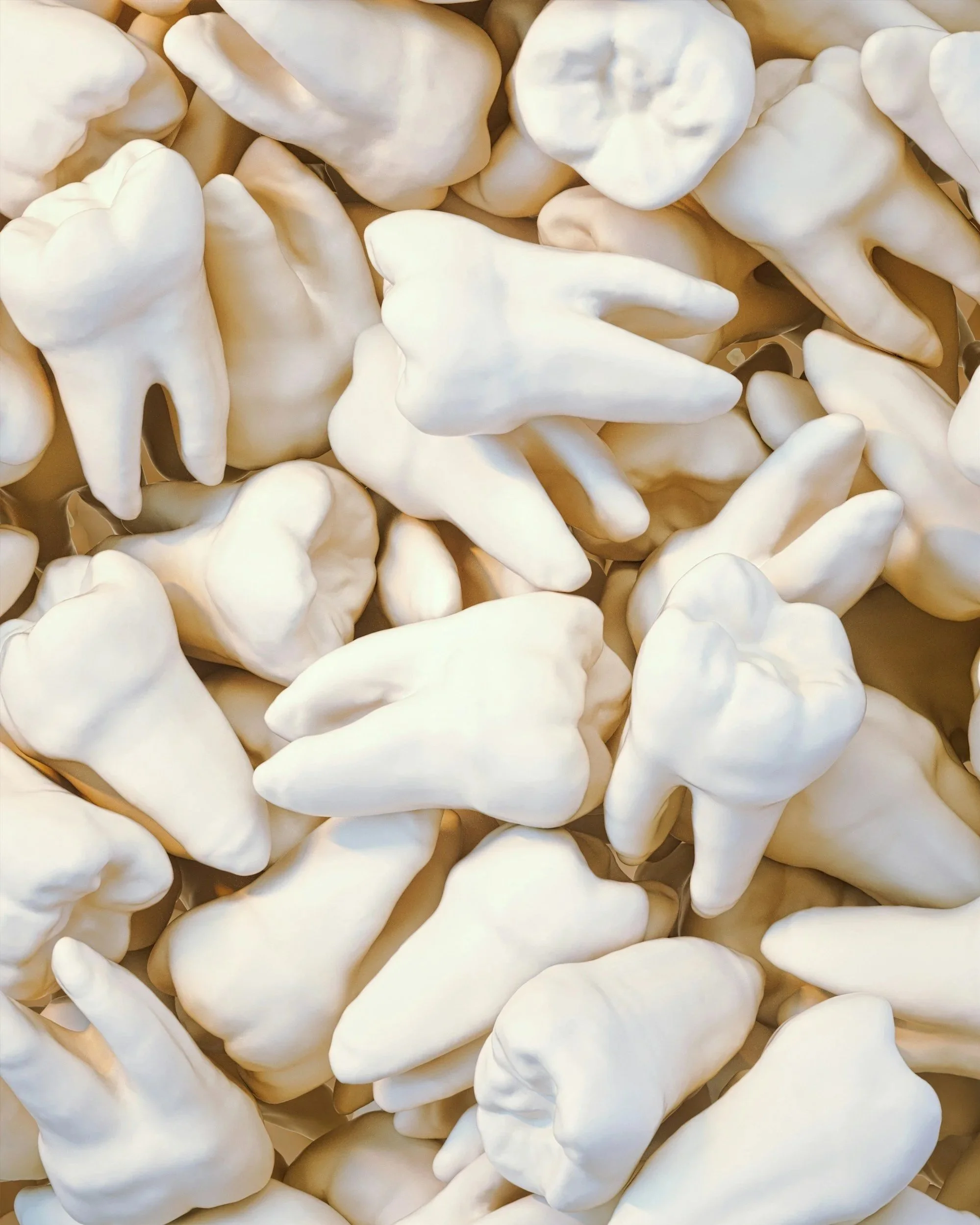
Over a child’s time at Busy Bees Pre-School we share many opportunities for children to learn how to care for their teeth. This is linked to our core focuses, specifically all about me.
When to brush:
Start as soon as the first tooth appears.
Brush twice each day - last thing at night or bedtime and on at least one other occasion
Brush for your child when they are very young. Then supervise until at least age7, or they have reached the stage where they can tie their own shoelaces.
We recommend a small headed soft or medium-soft bristled toothbrush, change the tooth brush every 3 months or sooner if the bristles are damaged.
Use with fluoride toothpaste
Under 3 years - a smear of toothpaste containing at least 1000ppm (parts per million) fluoride.
3+ years - a pea sized amount of toothpaste containing between 1350-1500ppm fluoride.
(check toothpaste packaging for fluoride amounts)
How to brush:
Brush for two minutes, covering every tooth.
Spit, don't rinse with water, to leave the fluoride coating the teeth.
Brush using small circles, covering every surface. Remember to gently brush gums and behind teeth.
We recommend brushing your teeth with your children to model good toothbrushing, encourage children to look in the mirror so they can see where they are brushing and use a toothbrushing song or visual timer e.g. brush dj.
Other ways to ensure good oral health:
Diet - cut down on ‘free sugars’, offer water and milk as main drinks, cut down on sugary snacks and drinks between meals and limit the use of foods you suck from pouches. When using them, squeeze onto a spoon rather then sucking.
Bottles, cups and sipping - From 6 months introduce an open cup with a free flowing valve, avoid bottles or sippy cups that need sucking.
Dentist visits - schedule your child's first dental appointment once their first teeth appear and before their first birthday. Keep up with regular check-ups and ask the dental team for advice on looking after your child’s oral health.
Special educational needs and disabilities (SEND)
Children with send, may find brushing harder, it’s important to establish a good toothbrushing routine as early as possible.
We recommend introducing brushing gradually starting with lips then inside the mouth step by step, trying different flavours of tooth paste and different brush sizes/ textures and brushing in different spaces like on the sofa or in the bedroom.